September 7th, 2026
10 min readSlotting Strategy in High-Mix Warehouses: What Changes When You Add Automation?
Learn why SKU velocity doesn’t equal a smart slotting strategy when automation changes your warehouse flow for the long haul.
Automation can reduce manual travel and handling, but it also changes how inventory should be managed.
High-mix warehouses have always been difficult to slot well. The challenge is not simply the number of SKUs. It is how differently those SKUs behave.
Some products move consistently all year. Others become fast movers for a few weeks and then slow down. Some require very little forward-pick space. Others consume a large amount of capacity just to keep enough inventory available for the next several hours of demand.
Add differences in weight, dimensions, handling requirements, order relationships, and replenishment frequency, and a simple fast-mover-versus-slow-mover approach starts to fall apart.
Automation changes the picture again.
In a conventional operation, slotting is often heavily influenced by travel. The closer frequently picked inventory is to the work, the less time people and equipment spend moving through the building.
Once automation takes over more of that movement, the slotting priorities change with it.
A poor slotting decision may no longer show up as extra footsteps. It may show up as longer robot missions, more storage retrievals, heavier replenishment activity, uneven workstation demand, or congestion inside the automated process.
Automation does not make slotting less important – it changes what a good slotting decision has to protect.
Executive Summary
High-mix slotting requires more than tracking velocity; it must account for dimensions, demand shifts, and replenishment. While manual operations prioritize travel reduction, automation focuses on system flow, capacity, and retrieval frequency. Ultimately, the goal is placing each SKU where handled most effectively, rather than blindly automating fast movers.
Key Takeaways
- Velocity is not enough; cube and replenishment requirements matter.
- Automation shifts poor slotting impact to system capacity.
- High-mix slotting must adapt to changing business demands.
- Why velocity alone does not tell the whole story.
- What changes when automation starts moving the product?
- Automation changes what a good slot looks like.
- Replenishment often reveals whether the strategy is working.
- Do not assume every flow problem is a slotting problem.
- High-mix slotting has to change with the operation.
- Build slotting into the automation strategy.
- Get in Touch
Why velocity alone does not tell the whole story.
Velocity matters. Every warehouse needs to understand which products generate the most activity.
But velocity by itself does not tell you where a product belongs.
Take two SKUs with similar pick activity. One may be compact enough to hold several days of demand in a small forward location. The other may need to be replenished repeatedly because of its size or inventory depth. On a velocity report, they may look almost identical. On the warehouse floor, they are very different products to manage.
Order relationships can matter just as much. A moderate mover that regularly appears with several other products may deserve a different location than its activity ranking suggests.
Heavy, oversized, fragile, or irregular products bring their own handling requirements. Those requirements do not disappear just because the velocity report says the SKU belongs in an A location.
This is where experienced slotting becomes less about ranking inventory and more about understanding what the product actually does in the operation.
The best slot is not simply the closest available location. It’s the location that supports picking, replenishment, storage, and material flow without creating another constraint somewhere else.
Averages can also be misleading in high-mix facilities. A SKU that looks moderate over twelve months may behave very differently during a seasonal peak, promotion, or product launch.
The slotting plan has to reflect what is actually happening on the floor.
What changes when automation starts moving the product?
In a manual operation, distance carries a direct cost. Every additional aisle a picker walks and every unnecessary lift-truck move takes time.
Automation can transfer some of that movement to equipment.
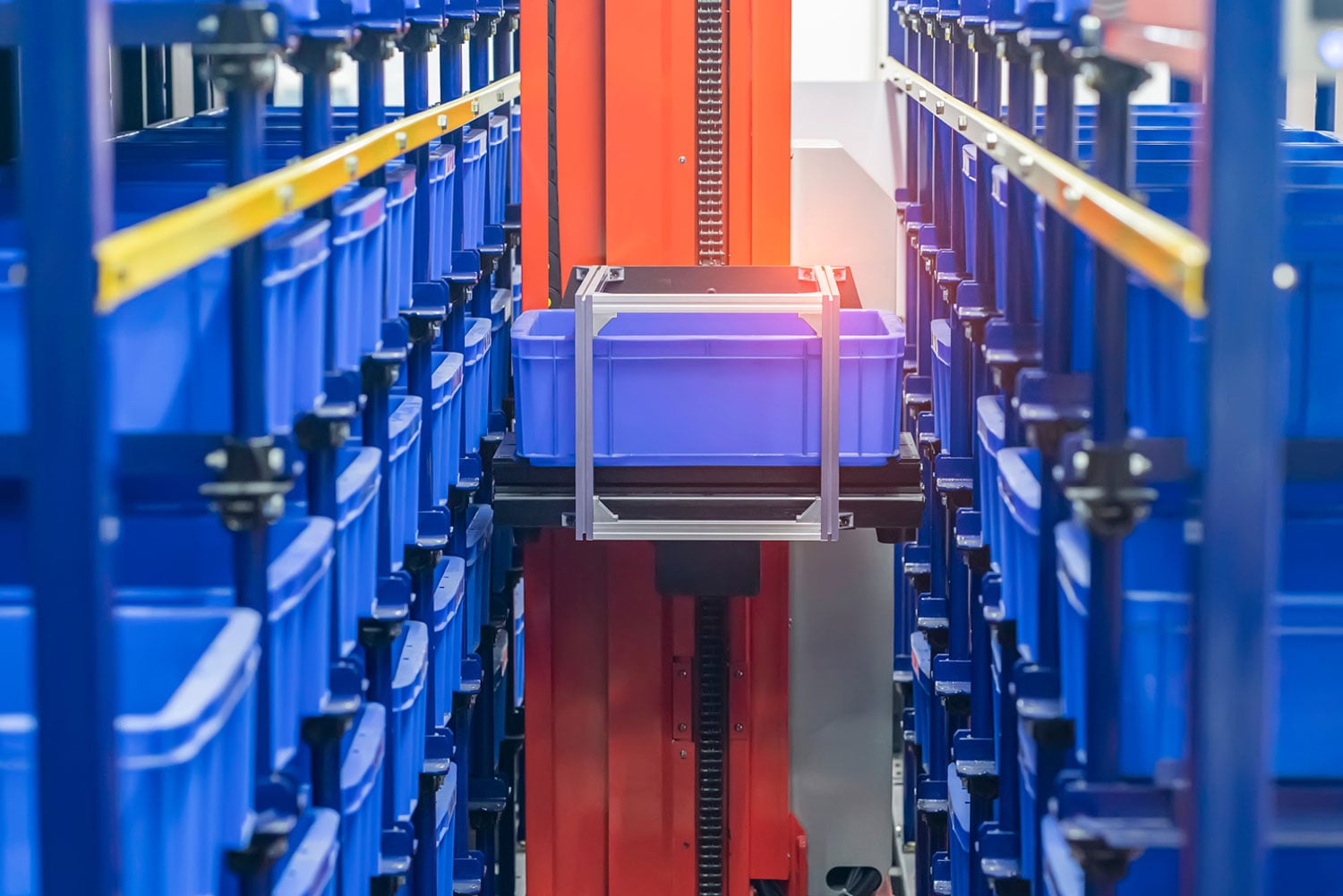
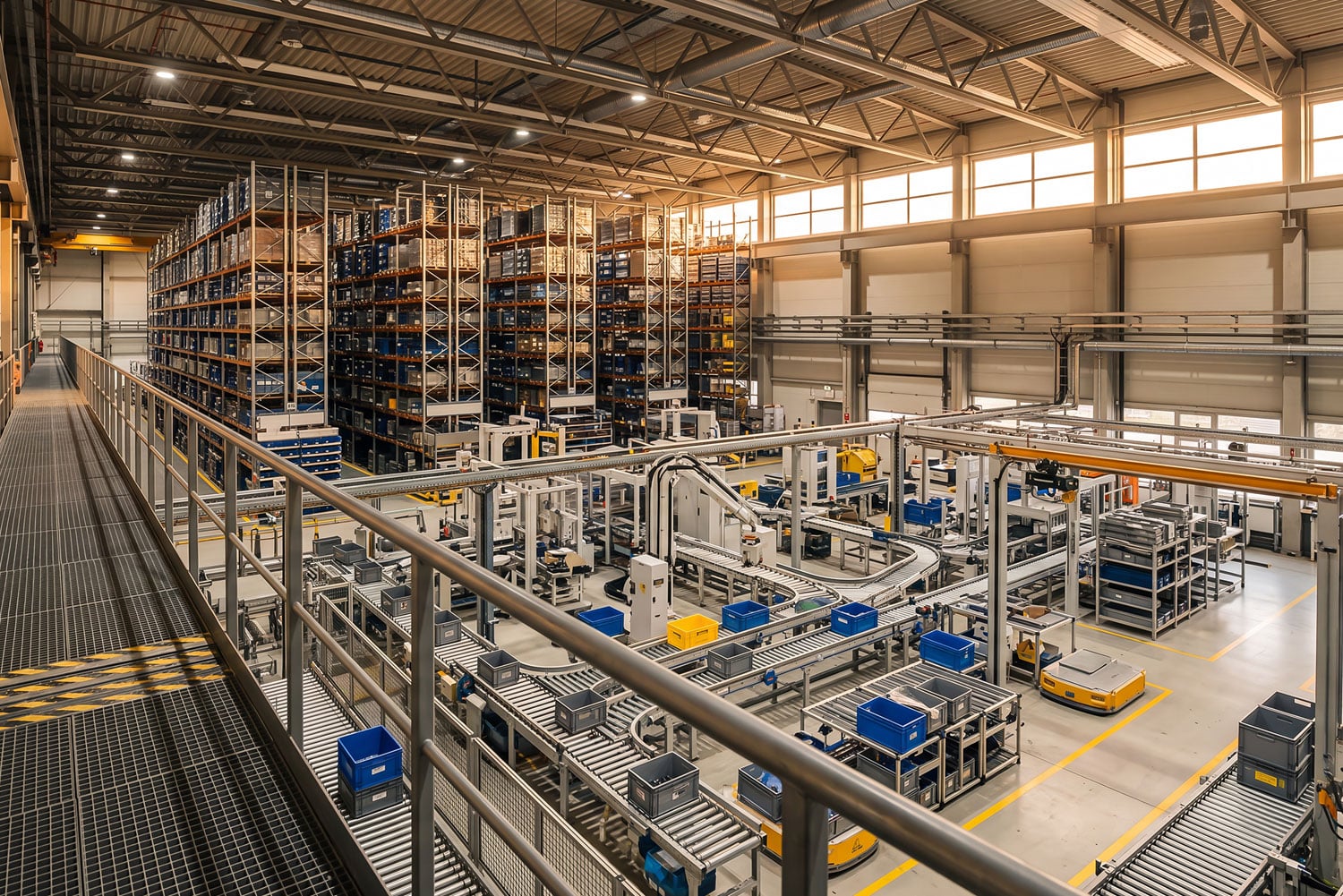
A goods-to-person system can bring inventory to the operator. Autonomous Mobile Robots (AMRs) can handle transportation that once required people to walk or push carts. Conveyor can move cartons and totes between established process areas.
The movement is still there.
An AMR still uses fleet capacity to complete a mission. An Automated Storage and Retrieval System (ASRS) still has to store and retrieve inventory. Conveyor still has finite transport and accumulation capacity. A goods-to-person workstation still needs the correct inventory delivered when the work requires it.
The labor associated with the movement may be reduced, but the movement still consumes system capacity.
That changes how slotting should be evaluated.
In a manual operation, the emphasis may be on reducing human travel. In an automated operation, the greater concern becomes how inventory placement affects flow through the system.
A poorly positioned SKU may create longer robot missions, unnecessary retrieval activity, or repeated replenishment. The cost is still there. It is simply showing up somewhere different.
Automation changes what a good slot looks like.
There is no single slotting rule that works across every automated system.
In an ASRS or goods-to-person operation, product dimensions, weight, container compatibility, inventory depth, retrieval frequency, and replenishment all influence where inventory belongs.
A high-velocity SKU may need several storage positions or more active inventory inside the system. Another fast mover may make more sense in conventional storage because of its size, handling requirements, or reserve quantity.
AMRs create a different situation. They reduce manual travel, but robot travel is still travel. If high-demand inventory repeatedly sends robots long distances or concentrates traffic in one area, the slotting plan can start working against the fleet.
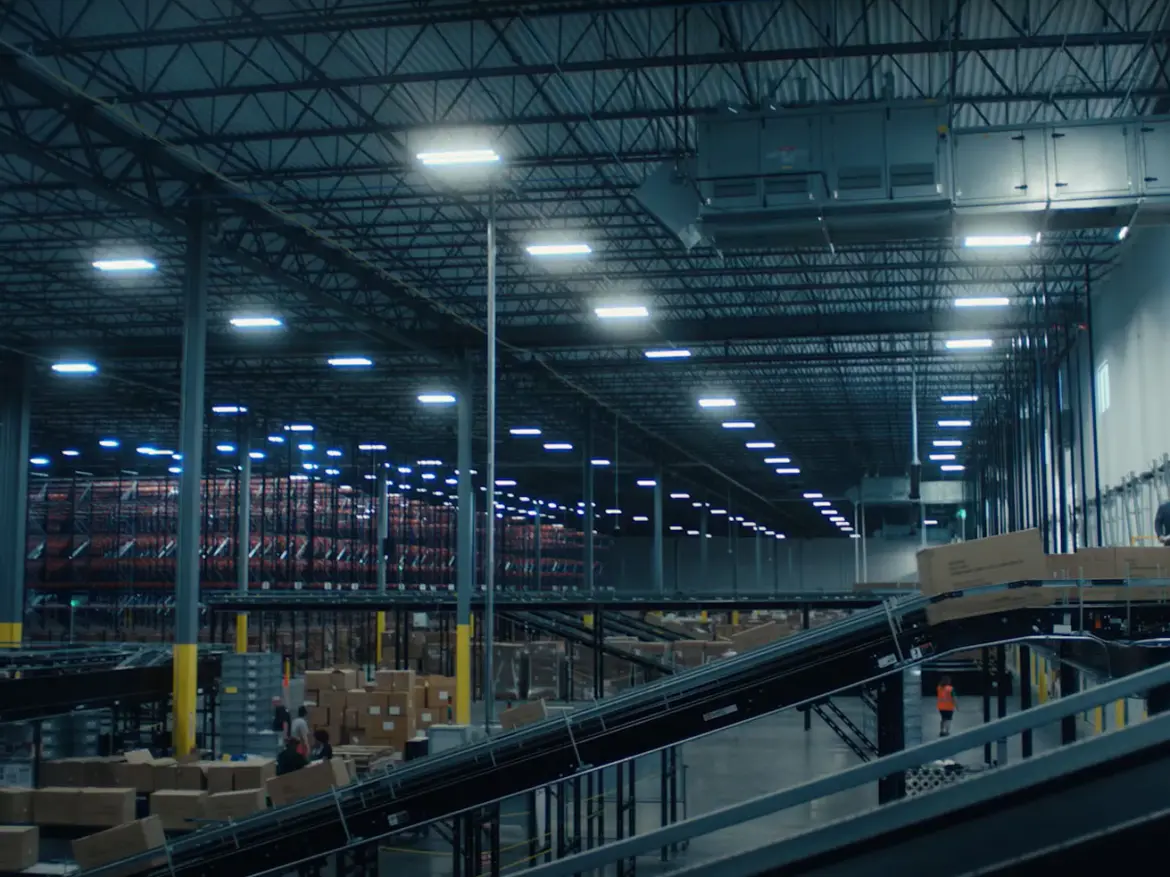
Conveyor and zone-picking systems have their own concerns. If too much demand is concentrated in one zone, that area may become the constraint even while another part of the system has capacity available.
The equipment changes the question. What makes sense in a conveyor pick module may make very little sense inside an ASRS.
That is why slotting and automation design need to be considered together.
Replenishment often reveals whether the strategy is working.
Most slotting conversations start with picking. In practice, replenishment is often where a weak strategy shows itself first.
A high-volume SKU can be placed in an excellent picking location and still create problems if the location cannot hold enough inventory to support demand.
If the forward quantity is too small, the operation has created a replenishment problem. People or equipment are continually returning to the same location just to keep picking supplied.
Automated storage presents the opposite concern.
It may be tempting to place large quantities of fast-moving inventory inside the automated system, but automated storage capacity should be used deliberately. If too much reserve stock occupies those locations, the system can end up holding inventory that does not need frequent access.
The better question is not simply whether a SKU should be automated.
It’s how much of that SKU needs to be inside the automated process.
Putting a fast mover into automation is usually the easy decision. Determining the right active inventory quantity is where the real design work begins.
Reserve storage, active inventory, and replenishment need to work as one process. If they are designed separately, the weakness often becomes obvious when volume increases.
Do not assume every flow problem is a slotting problem.
Congestion is a good example.
It may be caused by poor slotting, but moving inventory is not always the answer.
Excessive travel, frequent replenishment, underused prime locations, or an automated workstation waiting for inventory can all point toward a slotting issue. They can also be symptoms of something else.
The real constraint may be order-release logic. Replenishment may be happening at the wrong time. One zone may be receiving more work than it can handle. Conveyor capacity may be too low for the release rate. Packing or shipping may simply be unable to absorb what is coming downstream.
Reslotting can improve the symptom without correcting the cause.
Moving inventory is relatively easy. Knowing whether moving it will solve the problem requires understanding the complete operation.
IndPro looks at slotting as part of that broader material flow. Storage, picking, replenishment, controls, software, automation, and downstream processes all affect one another.
The more automation is integrated into the facility, the more important that systems view becomes.
High-mix slotting has to change with the operation.
No slotting plan stays correct forever.
Product velocity changes. New SKUs enter the warehouse. Promotions alter demand. Packaging changes. Customer buying patterns shift. A product that deserved prime space last year may no longer belong there.
That does not mean every warehouse needs continuous reslotting or specialized optimization software.
The review cycle should match the business.
A relatively stable operation may only need periodic reviews. If the product mix changes every month, reviewing slotting once a year is probably not going to tell you much.
What matters is recognizing when the assumptions behind the original plan no longer match what is happening in the operation.
Slotting works best when it is treated as an ongoing operating practice, not a layout decision that gets made once and forgotten.
Build slotting into the automation strategy.
The best time to address slotting is before the automation design is finalized.
SKU characteristics and order behavior can influence automated storage capacity, workstation requirements, conveyor flow, AMR utilization, reserve storage, and replenishment. By the time the equipment layout is fixed, many of those decisions become much harder to change.
IndPro starts by understanding how the operation needs to perform. That means looking at the order profile, inventory characteristics, material flow, storage requirements, replenishment activity, controls, and what happens farther down the process before deciding where automation fits.
How much of the inventory gets automated is less important than whether the right inventory is being handled by the right process.
For high-mix warehouses, that distinction matters. The product mix will continue to change long after the equipment is installed.
A well-planned slotting strategy gives the automation a better operating foundation and gives the warehouse room to adjust as demand changes.
Get in Touch: Aligning your strategy for long-term performance.
In a high-mix environment, automation doesn’t replace the fundamentals of smart slotting – it amplifies their impact. When SKU behavior, inventory depth, and material flow work in sync with your automated equipment, you’ll prevent hidden bottlenecks, reduce unnecessary system wear, and protect your capital investment. Slotting isn’t a one-time layout decision; it’s an ongoing operating practice that’ll keep your facility agile as demand shifts.
Ready to Optimize Your Warehouse Flow?
Don’t let suboptimal slotting limit your automation ROI or create friction on the floor. Contact an automation specialist today to connect with our team and discuss how we can help you build an integrated approach to slotting, storage, and material handling that will support your operation’s evolving demands.
IndPro Services
Since 1990, IndPro has provided expert robotics and automation integration for manufacturing, fulfillment, warehousing, and distribution operations nationwide. Holding an active GSA Contract, we deliver senior-led technical execution and system lifecycle support to commercial industry leaders as well as US military and government entities. From advanced robotic integration to software orchestration and network stabilization, IndPro converts complex automation into reliable, high-throughput operations.
Automate. Evolve. Succeed.
Hands-on leadership. Accountable partnerships. Measurable results.